
Canada Is Officially in a Technical Recession. What Does That Mean for Ottawa Homebuyers?
Canada is in what economists call a “technical recession.”
Statistics Canada reported that Canada’s economy contracted for a second consecutive quarter, meeting the common definition of a technical recession. The first quarter of 2026 saw GDP decline by 0.1% on an annualized basis after a revised 1.0% contraction in the final quarter of 2025.
Whenever the word “recession” appears in the news, it tends to make homebuyers nervous. Understandably, many people start wondering whether they should delay buying a home, wait for prices to fall, or postpone major financial decisions altogether.
In my experience, the answer is usually more nuanced than that. Let’s look at what a technical recession actually means and what Ottawa buyers should be paying attention to right now.
What Is a Technical Recession?

A technical recession simply means the economy has experienced two consecutive quarters of negative GDP growth. It doesn’t automatically mean widespread job losses, financial crisis, or a housing market collapse.
In fact, many economists have pointed out that Canada’s current situation doesn’t look like a traditional recession. While GDP has weakened, other parts of the economy have remained relatively resilient, and early estimates suggest economic activity may already be improving.
That’s why it’s important not to make major financial decisions based solely on a headline.
What Does This Mean for Mortgage Rates?
For many homebuyers, mortgage rates are the biggest concern.
When economic growth slows, central banks are often less likely to raise interest rates. Slower growth can reduce inflation pressures and may create conditions that support lower borrowing costs over time. Recent market reactions have already reduced expectations for future rate increases.
That doesn’t guarantee mortgage rates will fall immediately, but it does mean buyers may face less upward pressure on rates than they would during a rapidly growing economy.
For buyers who have been waiting for affordability to improve, that’s potentially encouraging news.
Ottawa’s Housing Market Is Different Than Many Canadian Cities
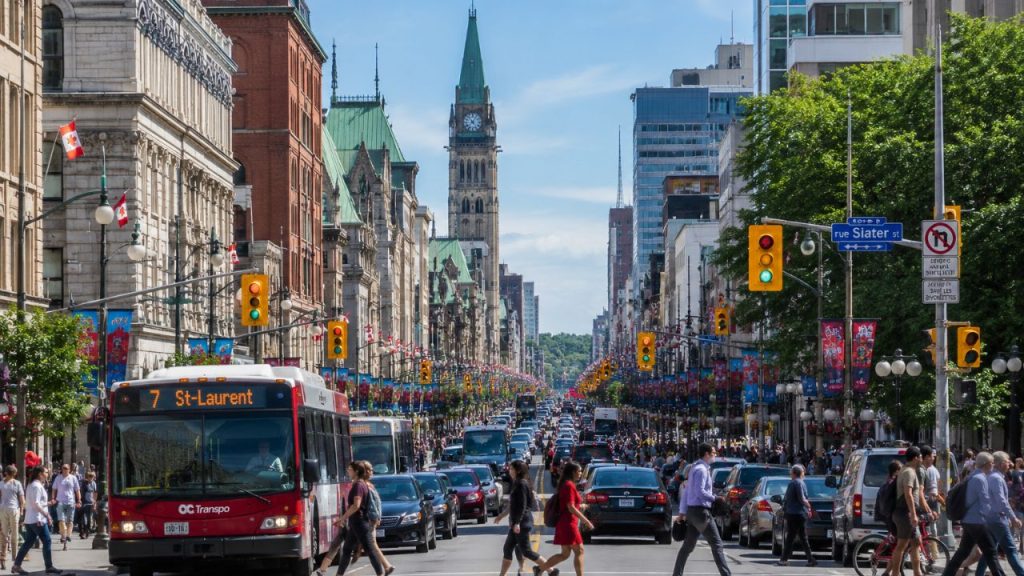
One advantage Ottawa has historically enjoyed is stability.
Unlike markets that can be heavily influenced by a single industry, Ottawa benefits from a large public-sector workforce, healthcare employment, education, technology companies, and professional services. That diversification often helps cushion the city from economic volatility.
While no city is completely immune to economic slowdowns, Ottawa has traditionally experienced less dramatic swings in home prices than some other major Canadian markets. That means buyers should be careful about assuming a recession will automatically lead to major price declines.
In many cases, buyers who wait for a large correction end up discovering that prices remain relatively stable while borrowing costs, competition, or their personal circumstances change.
Should You Wait to Buy?
This is a common question. The reality is that the right time to buy depends far more on your personal situation than on whether Canada is technically in a recession.
Some buyers may benefit from waiting if they need more time to save a down payment, improve their credit, or increase their income. Others may be financially ready today and could spend years waiting for conditions that never arrive.
Before making a decision, I encourage buyers to consider whether:
- their employment situation is stable
- they have enough savings for the down payment and closing costs
- they can comfortably handle homeownership expenses
- they plan to stay in the home for several years
These factors usually have a much bigger impact on long-term success than trying to perfectly time the market.
What Ottawa Buyers Should Watch Closely

Rather than focusing only on recession headlines, I recommend paying attention to:
Employment Trends
Job stability matters more than GDP headlines. Ottawa’s labour market remains one of the most important indicators for local housing demand.
Mortgage Rates
Even small changes in mortgage rates can have a significant impact on affordability and qualification amounts.
Housing Supply
Inventory levels often influence buyer negotiating power more directly than broader economic statistics.
Your Own Financial Position
A strong emergency fund, manageable debt levels, and stable income can help buyers navigate uncertainty much more effectively.
A More Practical Perspective

One thing I’ve learned over the years is that headlines often sound more dramatic than the reality buyers experience on the ground. Yes, Canada is currently in a technical recession. But that doesn’t automatically mean home prices will crash, that mortgage rates will plummet, or that every buyer should rush to change their plans.
For Ottawa buyers, the better approach is usually to focus on personal readiness rather than trying to predict exactly what the economy will do next.
If you’re financially prepared, have stable employment, and plan to own the home for several years, a technical recession doesn’t necessarily change the fundamentals of your decision. The buyers who tend to do best are the ones who purchase when they’re personally ready—not when they believe they’ve perfectly predicted the next move in the economy.
To learn more about how to get started, to to find out if you’re already on the right track, contact me!